In the opening months of 2026, the seismic recalibration of the global financial architecture has moved from a theory to reality. For the first time since the post cold war era, the collective actions of the world’s central banks suggest a consensus that transcends traditional market forecasting. We are witnessing a structured migration from digital, dollar- dominated debt towards physical gold a movement signaling that the foundational trust required to maintain globalized,rules based order is evaporating. To a trader,this is a bull market. To those tasked with navigating the long term survival of the state this is a systematic signal. It indicates that the peace through trade era is being replaced by a much older,more guarded reality.
In 1911, Winston Churchill, the first Lord of the admiralty made a gamble that would redefine the boundaries of The British Empire. He ordered the Royal Navy to abandon it’s traditional domestic Welsh coal in favor of Persian oil. It was a radical pivot. Coal was safe, it was mined on British soil. Oil was dangerous, it was tethered to the volatile sands of the Middle East and required a global protection racket of pipelines and naval escorts.
Churchill’s logic was simple, technological superiority justifies strategic vulnerability. The faster the oil- fired ships gave Britain a tactical edge, but they also ended Britain’s energy sovereignty forever. Fast-forward to 2026, and the global economy is standing on Churchill’s shadow. As the west pivots from fossil fuels to “Green Energy” we are witnessing a mirror image of 1911 gamble. We are trading the familiar, domestic security of old energy systems for high tech,mineral dependent future that is currently dominated by a new set of hegemons.
This transition is framed as an environmental necessity, but through the Lens of international relations, it is something more primal. It is the construction of a Digital green curtain a geopolitical realignment where power is no more assured by the barrels you pump, but by the patents you own and the lithium you process, just as the British navy found itself tethered to Persian well, modern nations are finding going green means entering new era of strategic fragmentation.
As we enter February 2026, the global financial landscape is witnessing a pivot that feels like a technological upgrade and more like a geopolitical divorce. For the last century, money was a dumb tool – a neutral medium of exchange that existed between parties but as for 2026, the very nature if value is being programmed as a tool of states craft.
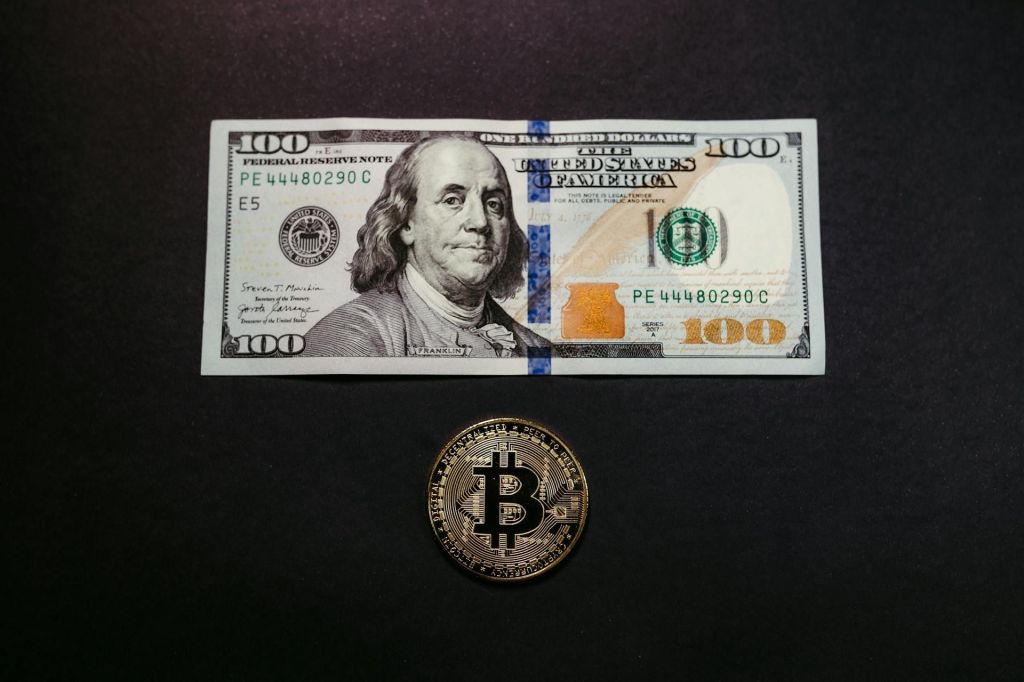
The most visible front of this war is bifurcation of money. On one side, the united states has officially pivoted toward a private-sector- led model with the enactment of the GENIUS ACT guiding and establishing national innovation for the U.S stable coins, In July 2025 this law has effectively empowered commercial banks and authorized non-bank issuers to create a digital “dollar” through regulated stable coins, positioning the U.S as the global crypto capital that avoids state-run Central Bank Digital Currency (CBDC).
On the other side of this new “digital iron curtain” a different version of sovereignty is taking hold. According to Atlantic council’s CBDC Tracker 137 countries, representing 98% of global GDP are now actively exploring or piloting CBDCs, leading this charge is India which assumed BRICS presidency in January 2026 and has already proposed a unified digital payment system for the bloc that would allow member nations to by pass the U.S dollar and SWIFT network entirely we are no longer talking about moving money. In the current 2026 environment money has become a “programmable power”.
The BRICS strategy; the proposed BRICS bridge aims to interconnect national CBDCs to facilitate direct settlement in local currencies. This isn’t just about efficiency it’s a defensive measure against western sanctions. The U.S response rather than building a state coun the U.S has established a strategic Bitcoin reserve. By treating Bitcoin as a digital gold,” Washington is attempting to anchor it’s digital economy to a decentralized scarce asset while allowing private market to handle the programmable stable coin side.
The divergence represents a fundamental question for international relations in 2026 will the future of money be open source network of private innovations, or a closed-looped system of government surveillance? As we see in the next section, this debate is not new it is a clear digital echo of the exact same crisis that toppled the Roman Empire’s monetary system 1800 years ago.
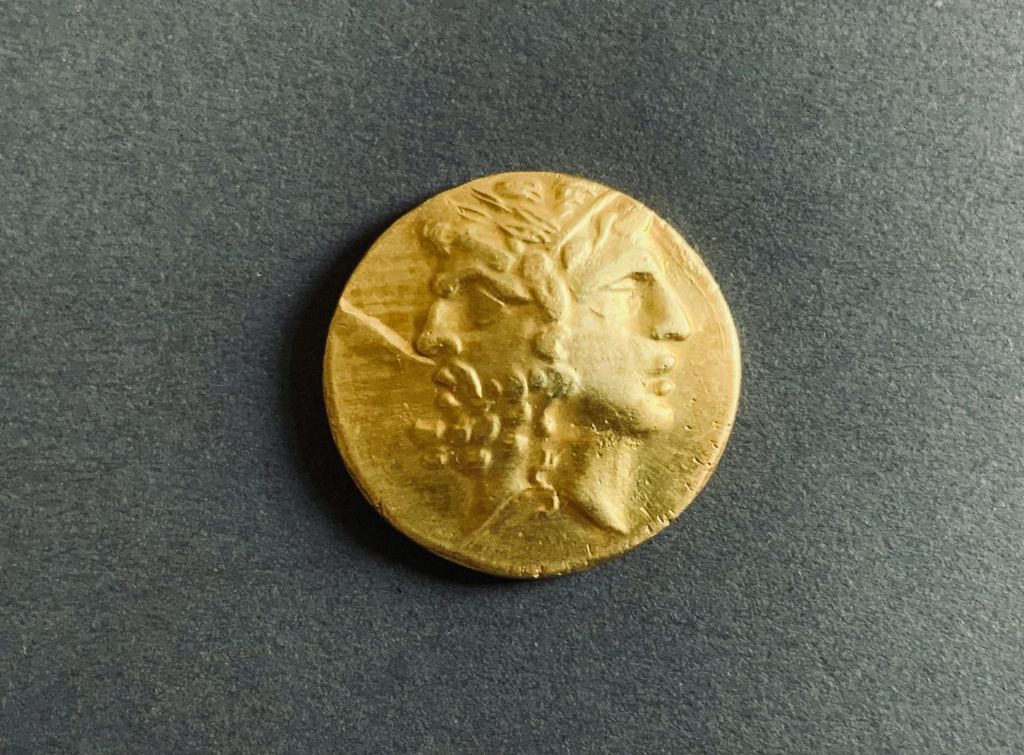
To understand why the shift to programmable CBDCs in 2026 is so significant, we must look at the 3rd century collapse of the Roman denarius. This is the original master class in how a super power destroys its own sovereignty by manipulating it’s own medium exchange. In the early days of the empire, the denarius was a pillar of stability 98% pure silver.However by reign Marcus Aurelius (161-180 C.E), the silver content had dropped to 75%. By the time of the crisis of the the third century under Emperor Gallienus, the silver coin was little more than a copper core with a thin silver wash that wore off in weeks.
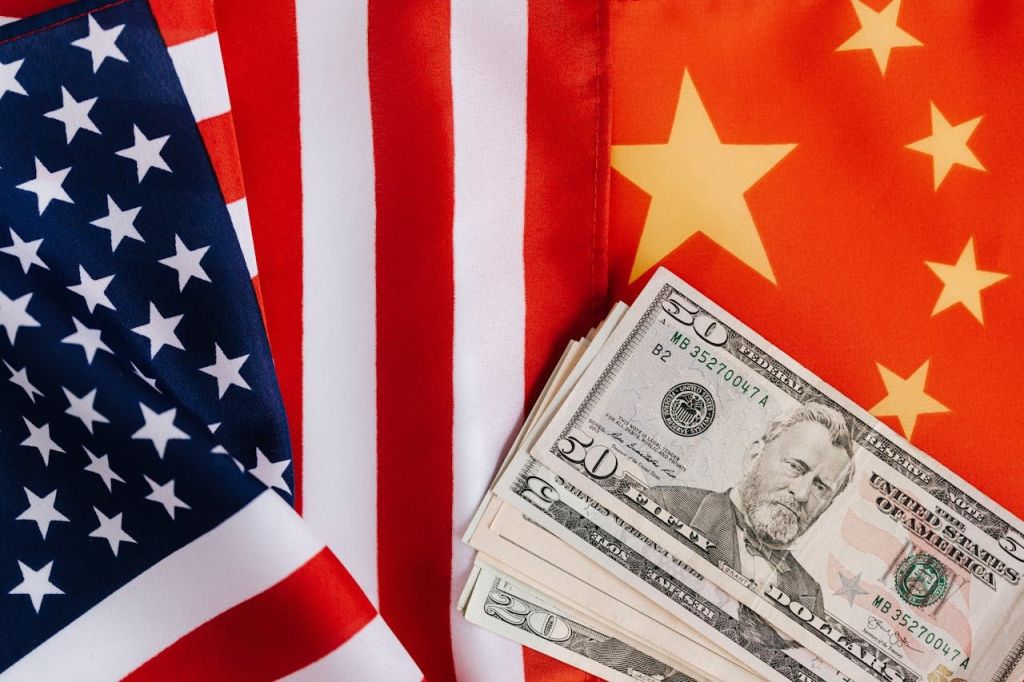
In the early weeks of 2026, the global economic stage witnessed a move that would have been unthinkable just a decade ago while international trade was once a soft power glue intended to blind rival nations into a peaceful, liberal order it has officially been weaponized as a tool for statecraft. The most visible symptom of this shift is the 100% tariff now firmly placed on Chinese Electrical vehicles(EVs) entering the united states.
On the surface this looks like a standard trade dispute over subsidies and fair market access but look closer at the chip wars and the white house latest export controls on advanced semiconductors. These are not mere adjustment to trading relationship, they are architectural blueprints for a fundamental shift in the global order,we are transitioning from an era of interdependence where efficiency was the highest virtue to an era of strategic autonomy where national security defines the price of a car.
For the first time since mid 20th century, a consumer product that is the family car is being treated as a high level security threat. The logic behind the U.S Department of commerce’s investigation into connected vehicles is that modern EVs are essentially massive data collection devices on wheels. By imposing a 100% tariff Washington isn’t just trying to protect Detroit’s bottom line it’s is physically banning a foreign software ecosystem from entering it’s borders.
This isn’t a glitch in the system of global trade it is the system being rewritten, In the words of international monetary fund (IMF) we are witnessing Geo economic Fragmentation. The world is splitting into two distinct tech and trade blocs one centered on the U.S and it’s friend patners and another centered on China’s massive manufacturing capacity.
As we dig deeper into this post, we will see that this is a classic international relations dilemma known as the security dilemma one nation attempt to secure its own supply chain The U.S Chips act is perceived as an essential threat by China’s made in China 2025 goals. To understand where this ends we must first look back at the last time the invisible hand of the market was forcibly replaced by the heavy hand of the state.
To understand why a 100% tariff on EVs is so consequential we must look at the last time the global order chose protection over participation. In the summer of 1930, despite a petition signed by over 1000 economist begging for a veto, the U.S president Herbert Hoover signed the smooth- Hawley tariff act much like today’s ” New Protectionalism” the Act was born from a desire to shield domestic industries specifically farmers from a volatile global market.


 Diplomatix/Global economic Intelligence