PROGRAMMING THE 2026 DOLLAR
As we enter February 2026, the global financial landscape is witnessing a pivot that feels like a technological upgrade and more like a geopolitical divorce. For the last century, money was a dumb tool – a neutral medium of exchange that existed between parties but as for 2026, the very nature if value is being programmed as a tool of states craft.
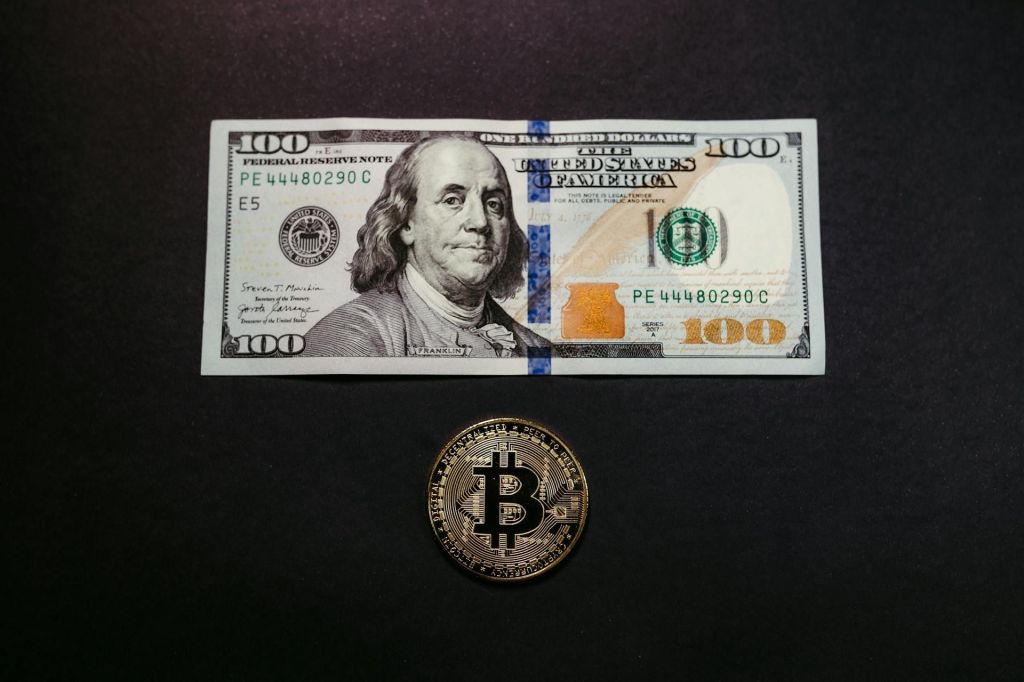
The most visible front of this war is bifurcation of money. On one side, the united states has officially pivoted toward a private-sector- led model with the enactment of the GENIUS ACT guiding and establishing national innovation for the U.S stable coins, In July 2025 this law has effectively empowered commercial banks and authorized non-bank issuers to create a digital “dollar” through regulated stable coins, positioning the U.S as the global crypto capital that avoids state-run Central Bank Digital Currency (CBDC).
On the other side of this new “digital iron curtain” a different version of sovereignty is taking hold. According to Atlantic council’s CBDC Tracker 137 countries, representing 98% of global GDP are now actively exploring or piloting CBDCs, leading this charge is India which assumed BRICS presidency in January 2026 and has already proposed a unified digital payment system for the bloc that would allow member nations to by pass the U.S dollar and SWIFT network entirely we are no longer talking about moving money. In the current 2026 environment money has become a “programmable power”.
The BRICS strategy; the proposed BRICS bridge aims to interconnect national CBDCs to facilitate direct settlement in local currencies. This isn’t just about efficiency it’s a defensive measure against western sanctions. The U.S response rather than building a state coun the U.S has established a strategic Bitcoin reserve. By treating Bitcoin as a digital gold,” Washington is attempting to anchor it’s digital economy to a decentralized scarce asset while allowing private market to handle the programmable stable coin side.
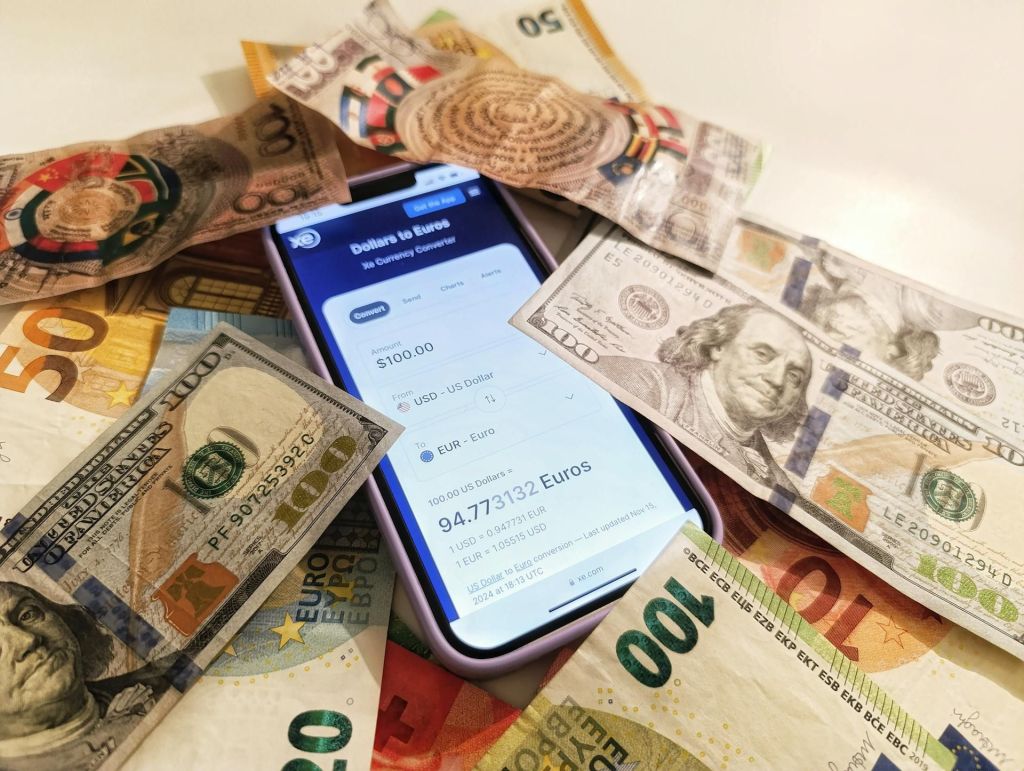
The divergence represents a fundamental question for international relations in 2026 will the future of money be open source network of private innovations, or a closed-looped system of government surveillance? As we see in the next section, this debate is not new it is a clear digital echo of the exact same crisis that toppled the Roman Empire’s monetary system 1800 years ago.
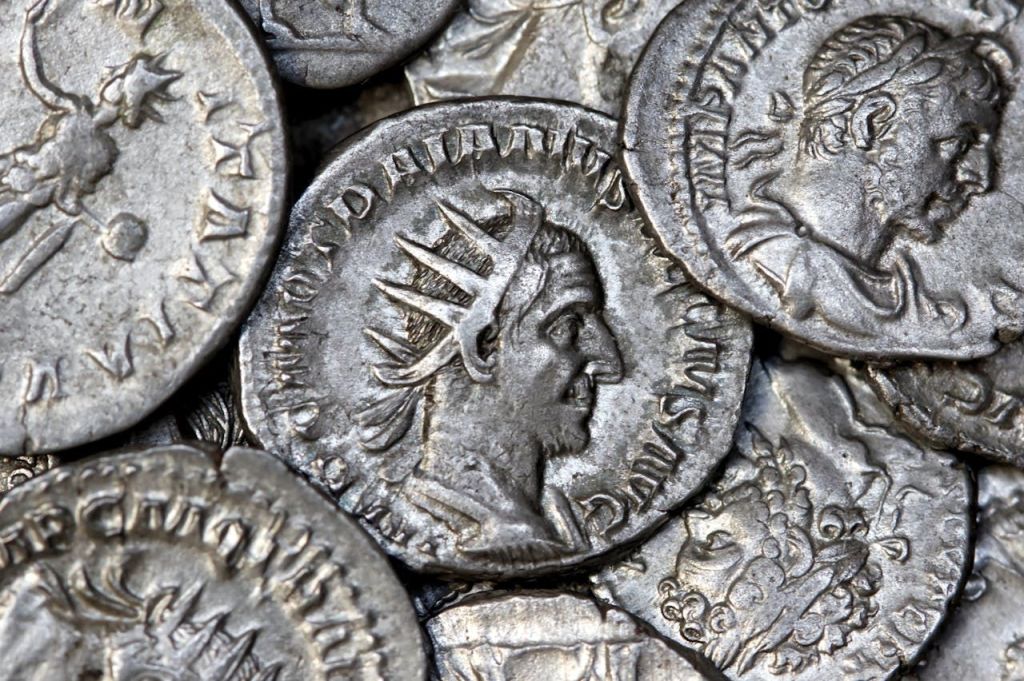
To understand why the shift to programmable CBDCs in 2026 is so significant, we must look at the 3rd century collapse of the Roman denarius. This is the original master class in how a super power destroys its own sovereignty by manipulating it’s own medium exchange. In the early days of the empire, the denarius was a pillar of stability 98% pure silver.However by reign Marcus Aurelius (161-180 C.E), the silver content had dropped to 75%. By the time of the crisis of the the third century under Emperor Gallienus, the silver coin was little more than a copper core with a thin silver wash that wore off in weeks.
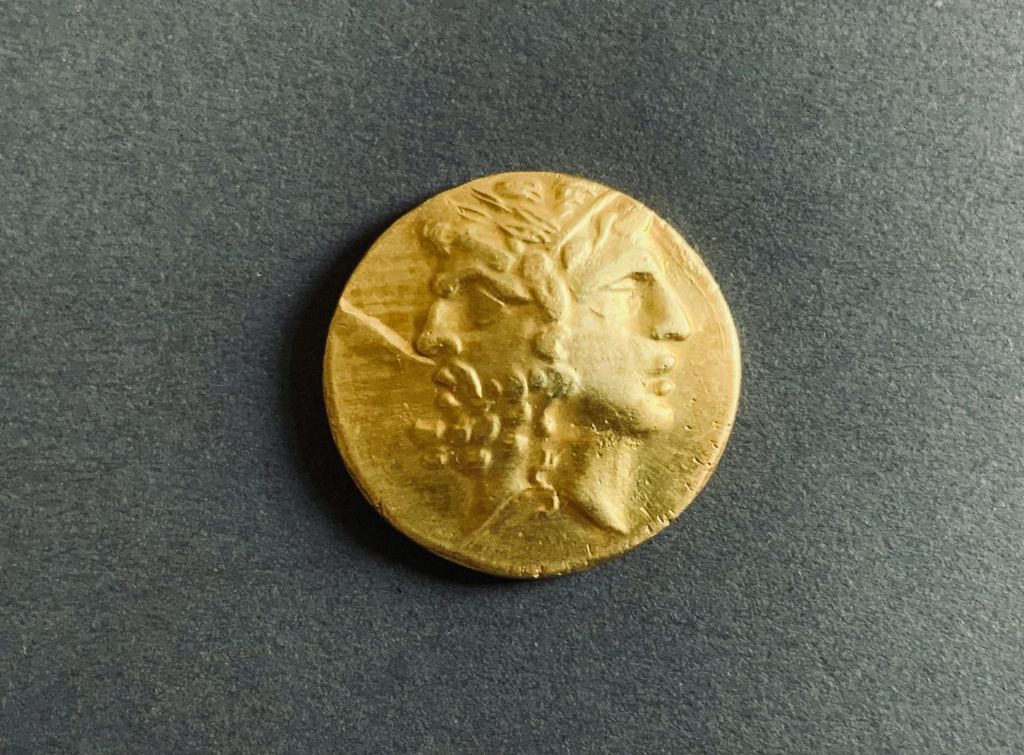
According to historical records from the Federal Reserve’s historical archives, this was the ancient version of “printing money”. The emperor’s needed to fund massive military expansion and a growing bureaucracy but they lacked the tax revenue to do so restricting the currency with less precious metal but demanding it maintain face value.
In 2026, we see a digital evolution of this strategy while modern central banks don’t clip physical metal they utilize programmable logic with CBDCs. As the bank of international settlement (BIS) has noted, CBDCs allow for programmability which could include, expiration dates, encouraging spending by making money expire if not used a certain date.
Targeted restrictions limiting what the money can be spent on e.g banning high-carbon purchases, Negative interest rates, automatically deducting a percentage from your digital wallet to force economic circulation. Just as the Roman emperors forced citizens to accept degraded cooper as a pure silver “Modern government are tempted to use CBDCs to enforce monetary policies that would be impossible with physical cash. The international monetary fund(IMF) warns that while this increases “policy efficiency” it risks a total loss of public trust in the currency the exact same loss of trust that fueled the Roman collapse.
In international relations theory we often discuss Gresham’s law. “Bad money drives out good in the 3rd century Romans began hoarding the “good” (Old high silver) coins and spending only the bad (new copper) ones. This led to the total breakdown of the trade network, as merchants refused to accept the state debased currency.
In 2026, we are seeing a digital Gresham’s law as states move towards “controlled CBDCs, capital is fleeing into hard digital assets.” This explains the U.S strategic Bitcoin reserve a recognition that the world of bad programmable money, the state must hold “good” immutable money to remain superpower. When the state compromises the currency, the market doesn’t just sit and wait for poverty. It innovates, History shows that the “Escape Artists” of any era are those who recognize the difference between price and value.
As denarius became worthless and Roman tax collectors became more desperate in the late 3rd century, the wealthy elite engaged in a strategy of Economic secession. “They abandoned the cities and moved to massive self sufficient estates known as the villas. These estates stopped using the Roman coin entirely. They reverted to Barter and Manorialism, trading grain for labor and protection, By “existing” the state’s monetary system, they survived the hyperinflation that destroyed the urban middle class. This was the birth of feudalism as a shift from globalized roman order to localized private power centers.
In 2026, we are seeing a digital version of the Roman villa. As governments attempts to program CBDCs with spending limits or expiration dates, cooperations and high net worth individuals are moving their wealth into Tokenized Real-world assets.
The Escape route, rather than holding “programmable” government cash,firms are using Blockchain to hold fractional ownership of Gold,Real estate and private credit.According to Boston consulting group(BCG) and World Economic Forum(WEF) the tokenization of global illiquid assets is projected to be $16 trillion business by 2030. This allows wealth to stay liquid and spendable across borders without ever touching government monitored CBDC wallet.
Just as the good silver coins were hoarded in 280 C.E modern companies like MICROSOFT and MERCADO LIBRE are increasingly using private stable coins like USDC or PayPal’s Pyusd to manage their global treasuries why? Because the private coins regulated under the U.S GENIUS ACT, offer speed of digital money without the social credit risk of government run CBDC.
These companies are escaping by creating their own internal financial networks effectively becoming their own central banks for the global supply chains. As this digital escape accelerates international bodies are scrambling to create a unified ledger. The bank of international settlement (BIS) is pushing project Agora an attempt to brings into a regulated hold by linking private bank money with central bank digital currencies.
However, the lesson of the Roman denarius is clear, Trust is not programmable if the state uses money as a weapon of surveillance, the most productive members of the society will always build an exit in 2026, the digital war isn’t between the U.S and China it’s between centralized control and private autonomy. Those who survive will be the ones who diversify into assets the state cannot delete.
most analyst tell you what happened. I tell you what happens next by applying the immutable laws of history and international relations to today’s global economy. Whether you an executive de-risking a cooperation or a high-net worth individual protecting a legacy, I provide the geopolitical intelligence you won’t find in mainstream reports.
Available for individual strategic consultations, quarterly macro briefings for investment committees, cooperate strategy workshops
strategy enquiry
diplomatix5@gmail.com
©2026 DIPLOMATIX LTD ALL RIGHTS RESERVED
Geopolitical Intelligence Strategist.
 Diplomatix/Global economic Intelligence
Leave a comment